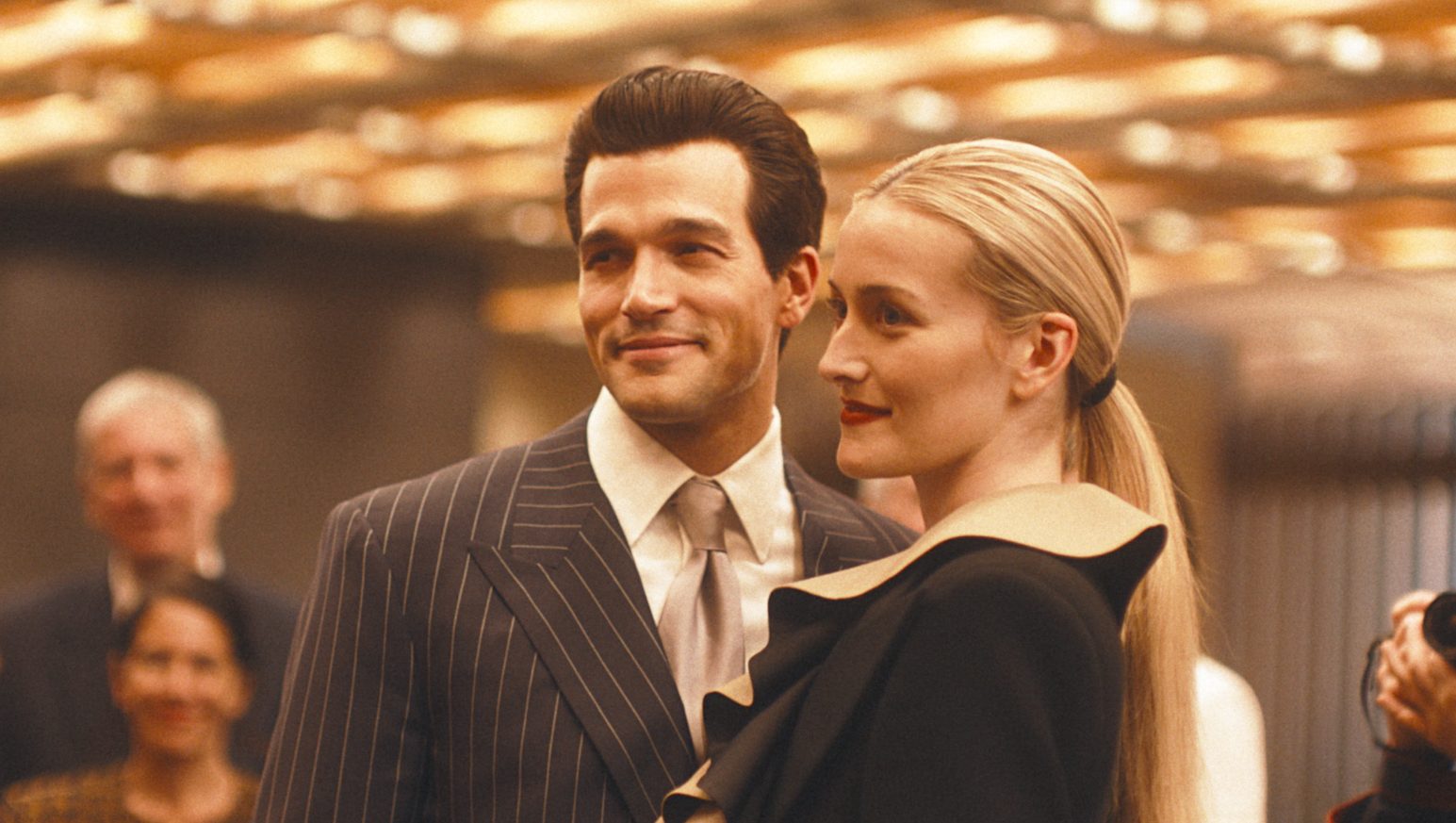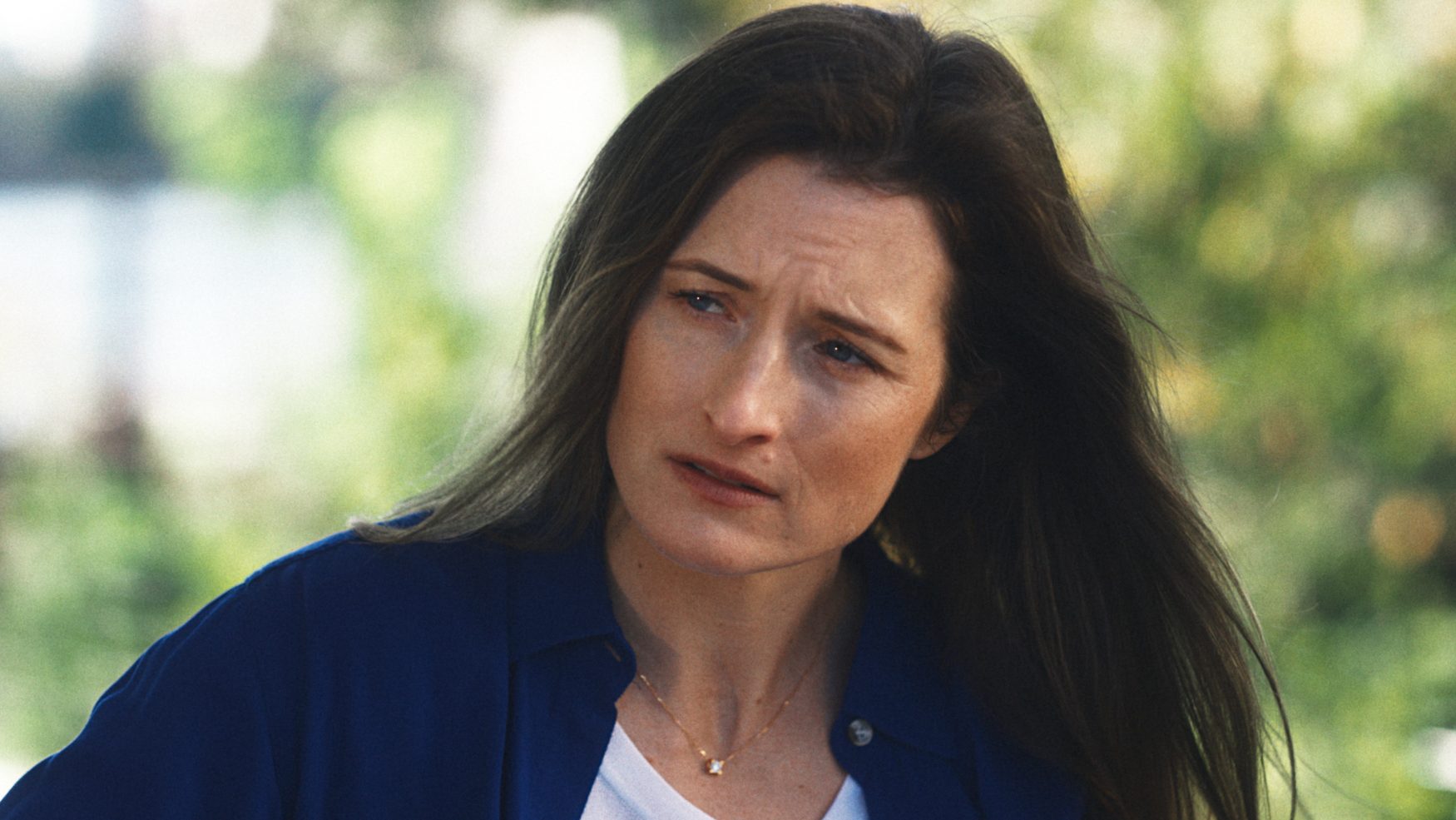

Music has an virtually magical means of transporting us again to the second in our lives after we heard it: the pop track that underscored your first kiss, the one which performed at your commencement and so forth. In mopey, dopey YA weepie “The Biggest Hits,” writer-director Ned Benson takes that concept as actually as attainable, treating particular tunes as triggers that launch Harriet (Lucy Boynton) again into her previous, blowing her — like that seated man within the traditional Maxell marketing campaign — into the tragic former relationship with hunky Max (square-jawed future Superman David Corenswet), who died in a automobile crash.
Sounds romantic, proper? Really, Harriet’s situation is sort of a drag, as she’d like to maneuver on, however should now undergo life sporting noise-canceling headphones and curating playlists with solely “secure” songs (these with zero nostalgic potential). Music issues to Harriet, who labored within the trade — seems Max was one thing of an indie rocker, whereas she combined his album. Because the incident, she will not threat the curler coaster that listening to the unsuitable track would possibly launch, so she’s taken a job on the library (it’s quiet, get it?).
All of it looks like plenty of effort simply to make this high-concept premise work, with sure particulars — like, how Harriet can hear conversations when her listening to is muffled — left maddeningly unexplained. You’d additionally suppose she’d be a bit extra cautious behind the wheel after surviving a lethal automobile accident. It is a love story; it’s not meant to be logical. Nonetheless, such a premise lives or dies by its execution, and aside from the gorgeous pixie flares that swarm the display every time Harriet is about to sonic-zoom, “The Biggest Hits” feels just like the remainder-bin model of higher love tales.
Set within the hip(ster) Los Feliz/Silver Lake neighborhoods of Los Angeles, the film means that Harriet’s most popular means of listening to music is on vinyl. Residing in a home no librarian may afford, she has coated the wall with a type of serial-killer murals, that includes a timeline of her four-year relationship with Max damaged down into song-specific moments. The remainder of the room is centered on her turntable, the place crates of “untested” LPs wait to be tried.
As a result of sure songs ship her again to the moments when she first heard them, Harriet hopes that she will discover the one lacking musical cue that can permit her to vary the previous and save Max’s life. The man seems like movie-star materials, however makes for a somewhat banal boyfriend, judging by the generic-looking recollections sampled (flirting at a live performance, splashing collectively on the seashore). She seems to be dwelling in an allergy-medicine business, which implies that audiences clue in lengthy earlier than Harriet does that the film desires her to maneuver on.
Enter David (Justin H. Min), a goofy-cute potential suitor who turns up at one in all her grief help conferences. David’s mother and father not too long ago died, and he’s coping with his personal emotions, however for some motive (which Boynton’s efficiency doesn’t convey), it looks like a good suggestion to hit on the woman with the headphones. Whereas she tries to dam out undesirable oldies, Benson orchestrates methods for Harriet and David to bond in relation to new music: on the report retailer, attending a dance celebration DJed by her homosexual greatest buddy (Austin Crute), and many others.
A lot about these scenes feels pressured, as if Benson is presenting a thesis on how up to date people relate to music. And but, most individuals don’t keep in mind the time and place of each track they’ve ever heard. After they discover a favourite, that tune will get performed plenty of instances. The alternatives in “The Biggest Hits” run the gamut from indie rock to instrumentals (with random decisions, like “Pump Up the Jam,” inexplicably thrown in). Clearly, these songs imply one thing to Harriet — and possibly Benson as properly — however they don’t maintain any significance to us, which makes for an incoherently eclectic soundtrack.
Nonetheless, the film’s intention is apparent: Harriet is understandably trepidatious about being in music-filled areas, which serves as a means of displaying how emotionally broken people cautiously reemerge into social environments. Although we’ve waited greater than a decade to see what “The Disappearance of Eleanor Rigby” director Benson would do subsequent, the whole lot about that big-swing debut (a love story cut up into “his” and “hers” views, then braided again collectively) instructed he was able to one thing far much less typical than this. It’s a cynical play from such a romantic-minded director.
The post A Clunky Remix of Higher Rom-Coms appeared first on Allcelbrities.