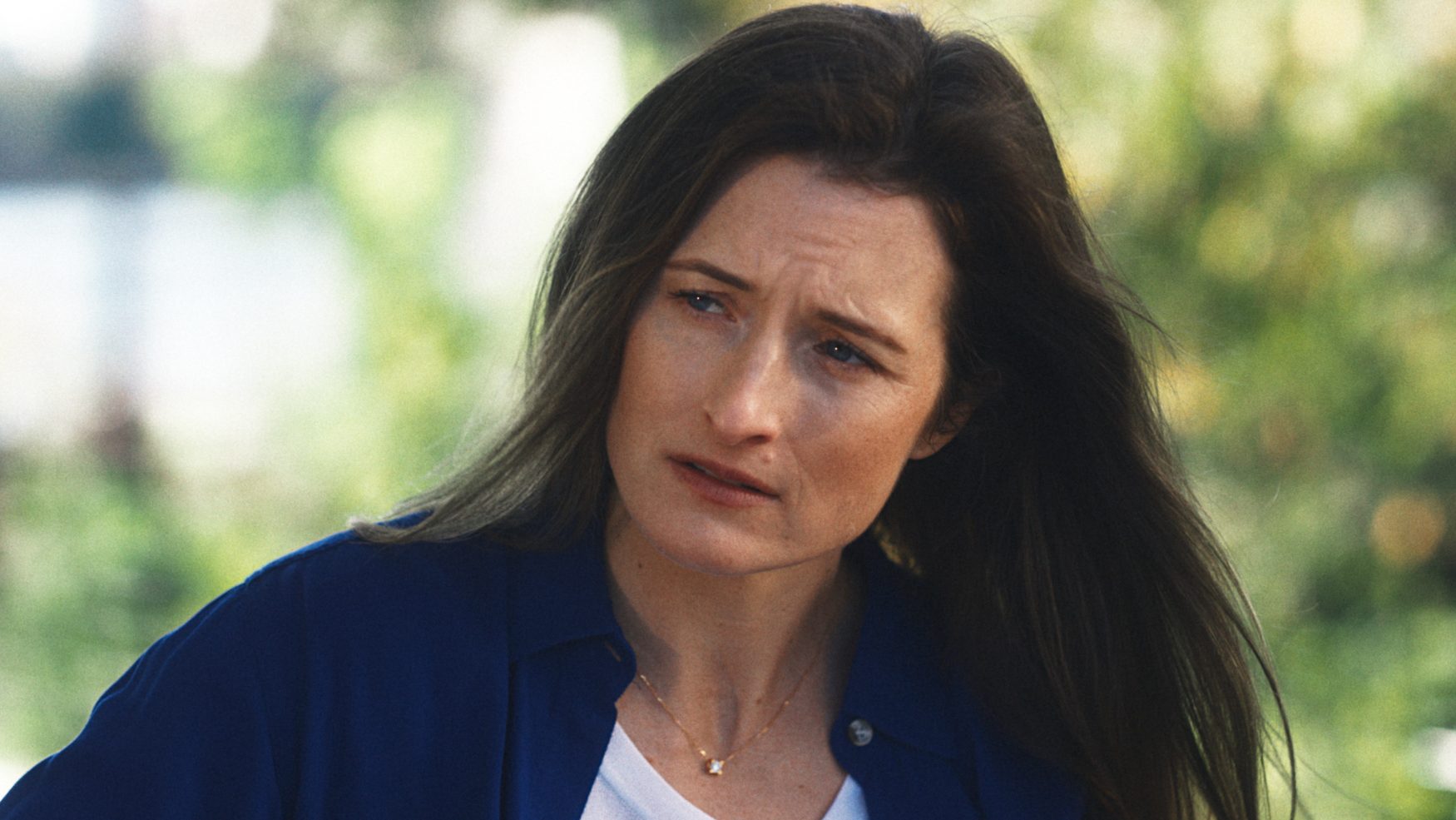

Being a member of the family is a job that adjustments on a regular basis. Hungarian filmmaker Sári Haragonics has been reflecting on these shifts primarily based on her personal expertise, dropping her mom 13 years in the past. In her commencement brief “Coming Face to Face,” shot three years after her mom’s loss of life, Haragonics intertwined home-movie footage with scenes of a summer season vacation along with her father and brother, as they cope with grief and guilt. Now, 10 years later, she is within the superior levels of one other challenge piecing collectively how familial dynamics morph over time.
“Perhaps it’s the subsequent step after grief,” says Haragonics, describing the challenge to Selection earlier than Thessaloniki Documentary Competition’s Business occasion. “Don’t Fear Sári” was pitched final week on the Agora Docs in Progress and received the 119 Marvila Studios Award for sound mixing providers. Haragonics’ characteristic debut, “Her Moms” (co-directed with Asia Dér), premiered at Sizzling Docs in 2020 and was produced by the Hungarian Campfilm by way of Marcell Gero and Sára László, who was behind “Pure Gentle,” the Hungarian winner of Berlinale 2021’s greatest director prize. Producer Inez Mátis from the women-championing Pi Productions joined “Don’t Fear Sári” when László was already on board and mentioned that the top end result will likely be “a really emotional movie,” offering alternatives to find out about household dynamics and relationships. The brand new challenge can also be a Bulgarian co-production by way of Boris Despodov at Arthouse Blockbusters.
“A couple of years after I made my first brief, I noticed that in a manner, I’m persevering with my mom’s position by making an attempt to save lots of all of the male members of the family.” The director noticed potential on this doubling and located it pure to make a movie out of it. When she found an plentiful household archive, with footage documenting her life since delivery, she noticed one other parallel between herself and her late mom: each of them had been utilizing the digital camera to movie “as a manner of preserving reminiscences and holding the household collectively.”
Within the house movies, one can acknowledge quite a lot of on a regular basis conditions just like the household meals, conversations or arguments, a few of them following the mom’s course. Younger Sarí doing this or that for the digital camera seems generally as an archival snippet of the previous, different instances in dream sequences, in a extra experimental manner. Revisiting and reshaping private archives, based on Haragonics, might be useful for anybody “to know the household dynamics and to know why we turned who we’re as we speak.”
Mátiz quoted the movie’s logline (“To what extent are we liable for those we love?”) to single out another option to understand accountability. As a possible reply introduced ahead by the movie, she hinted that “at all times being there could seem to be the easiest way to assist your loved ones, however it’s not. Generally you possibly can assist them and your self just by stepping again.”
Exploring transgenerational heritage and psychological well being is an element and parcel of Haragonics’ strategy. In “Don’t Fear, Sári,” she contains herself not solely by being visually current, but in addition by way of candid voiceovers. Over time, she had collected recordings of her desires made after waking up—preserving their “bizarre atmospheric sound”—which might then discover their place within the completed movie. As an alternative of a monologue, the filmmaker prefers to name it “a type of a dialogue with my mother, the place I’m telling her about my inside emotions that aren’t actually seen on the floor.” In consequence, the movie displays on the discrepancies between one’s inside and exterior world.
Haragonics admitted that the seven yr course of thus far has been nothing near linear, with quite a lot of breaks in between intervals of monetary boosts. Now, the challenge has been backed by Artistic Europe Media, however this irregular schedule had prompted the Hungarian filmmaker to look intently on the materials—each outdated and new—and see her relationship along with her members of the family anew. “It was like very intense remedy, studying about myself that manner,” she says. Seeing the documentary kind as a facilitator of information sits on the coronary heart of the challenge.
Moreover, the director famous that her tutorial background in participatory video—a technique that helps communities or teams of individuals to make movies about themselves—informs the cinema she makes. The rationale why she makes movies about her household has to do with an equality, which she deems mandatory. “I’ve by no means needed to make a documentary about somebody who might be depending on me in any manner,” she says.
The Thessaloniki Documentary Competition runs March 7 – 17.
The post ‘Do not Fear, Sári’ Questions Familial Obligations appeared first on Allcelbrities.